Why Are Takata Airbags Dangerous? The Cause Explained Simply
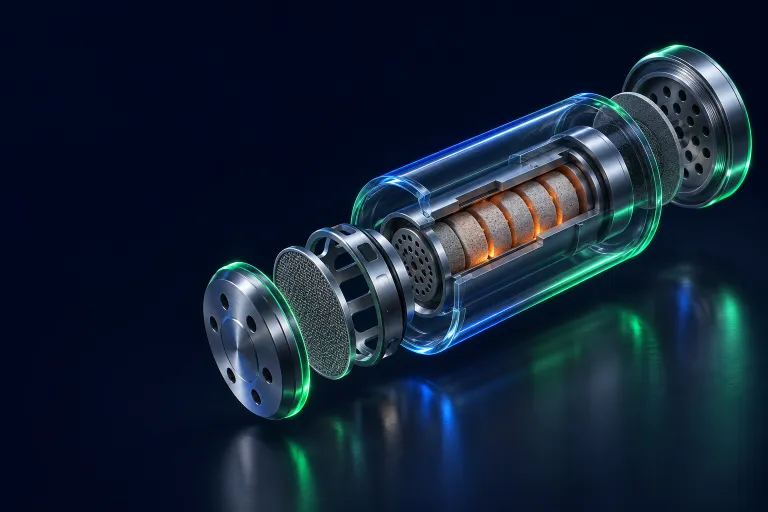
An unsuitable propellant makes Takata airbags dangerous: with heat and humidity the inflator can ignite too violently and throw metal parts into the cabin.
Takata airbags are among the largest recall campaigns in automotive history. Over the past 20 years, several million vehicles worldwide have been affected – including models from Citroën, Audi, VW and Mercedes.
The cause
According to ADAC, the affected airbags contain an unsuitable propellant that was apparently chosen for cost reasons. It can change with heat and humidity. In a humid, warm climate it can, in the worst case, even explode without a trigger.
The risk
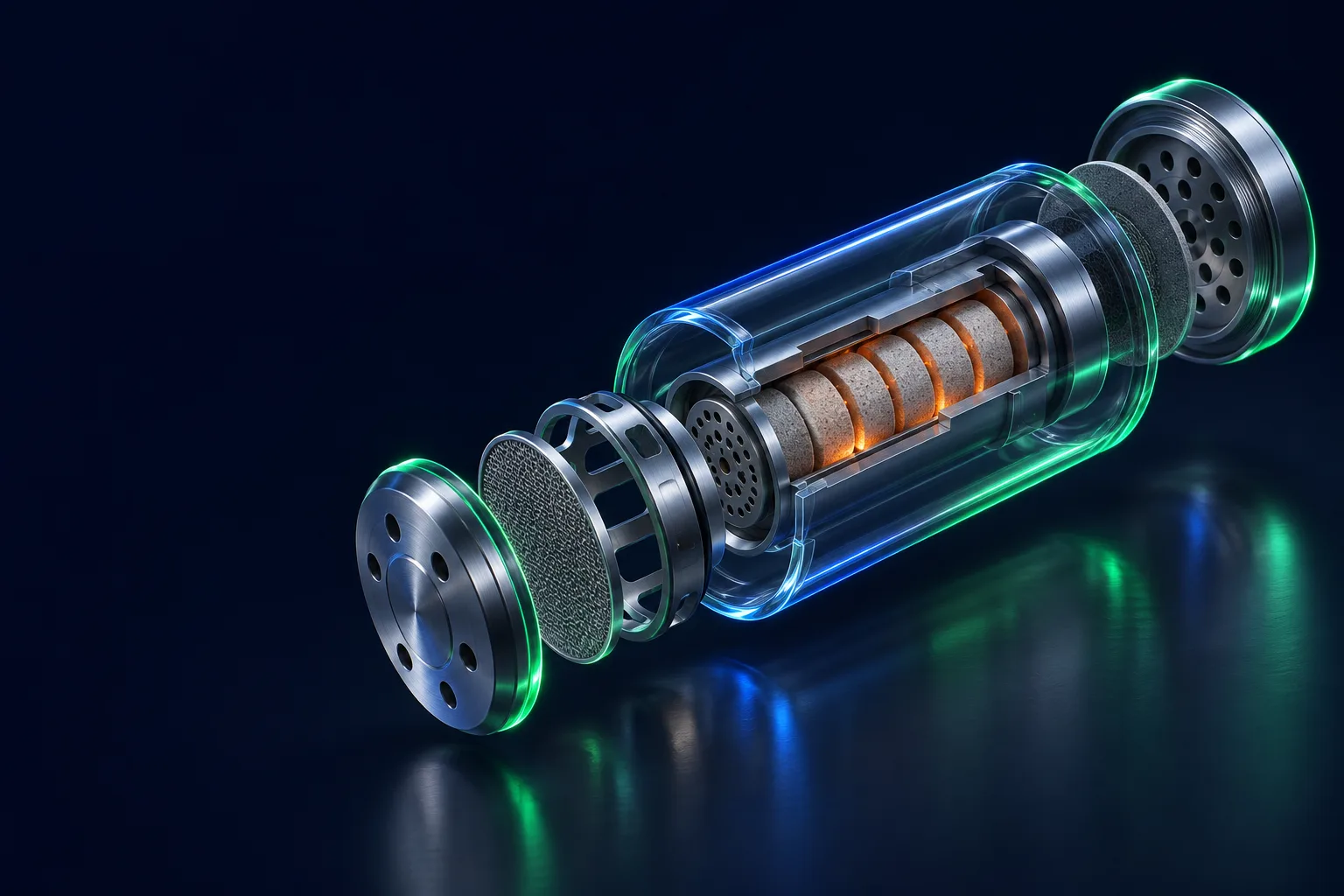
When the airbag deploys – for example after an accident – the pressure in the inflator can be too high. The metal housing can then burst and throw metal parts into the vehicle interior. The consequences are serious to fatal injuries.
Why there are always new recalls
- Recalls are extended in waves when new inflator types are classified as affected.
- Faulty airbags may have been fitted later during repairs – in that case the vehicle does not necessarily appear on the original recall list.
- Used cars and re-imports move between countries with different recall statuses.
What matters now
Only the manufacturer knows which airbags are fitted in your vehicle. Check your VIN – the replacement is free of charge in any case.
Sources
Research as of 4 November 2026. Only information from the manufacturer and the Federal Motor Transport Authority (KBA) is binding. The linked sources are mostly in German.